
Body Waxing Questions People Actually Ask
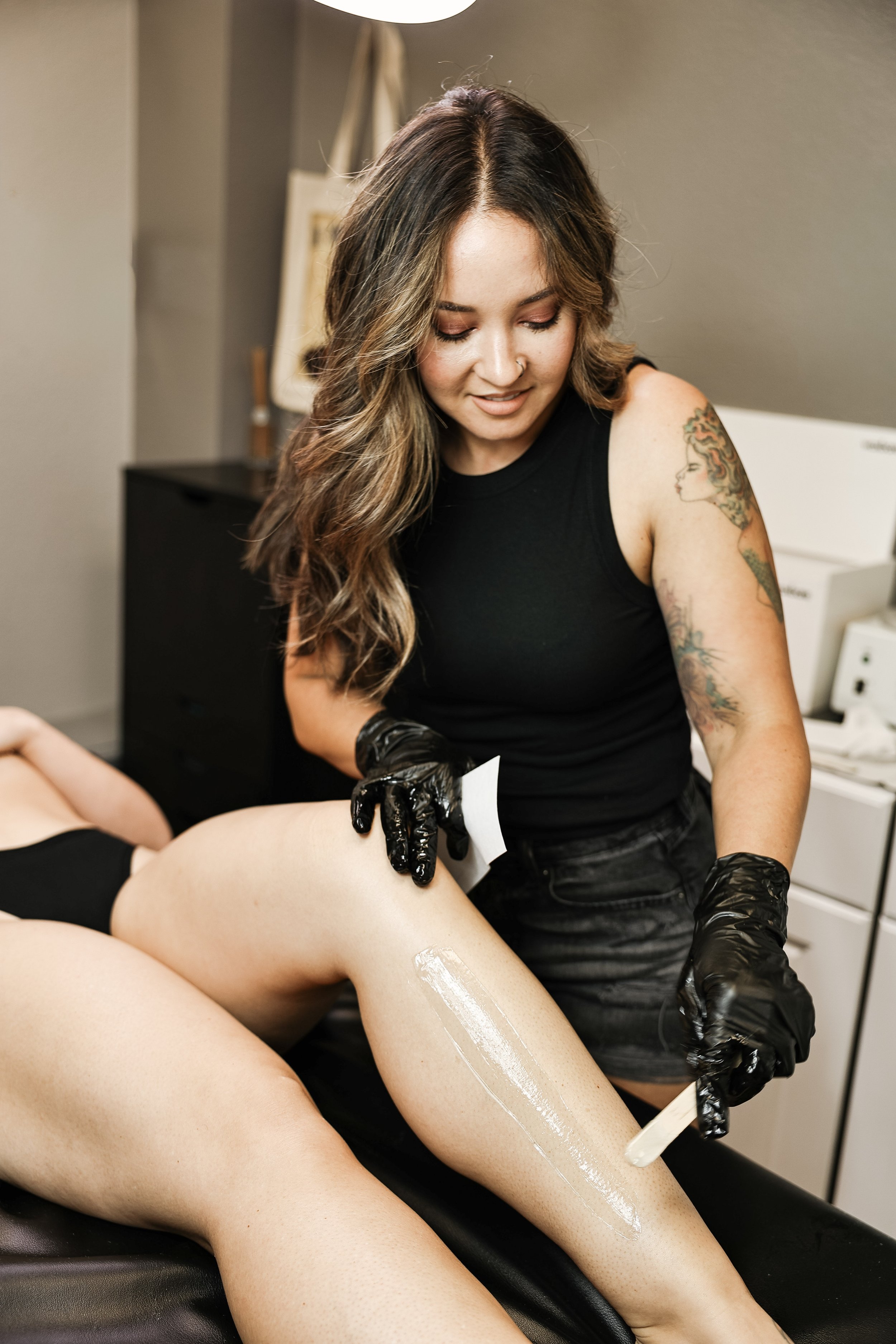
Body waxing usually raises more personal questions than straight answers. You might wonder if it’s okay to book during your period, how long the results last before regrowth shows, or whether first-time pain is as bad as people say. These are the kinds of real concerns that shape search behavior, and they’re exactly the questions mapped out in our waxing FAQ so you can see what to expect without guesswork.
Why People Choose Body Waxing and How It Fits Into Daily Life
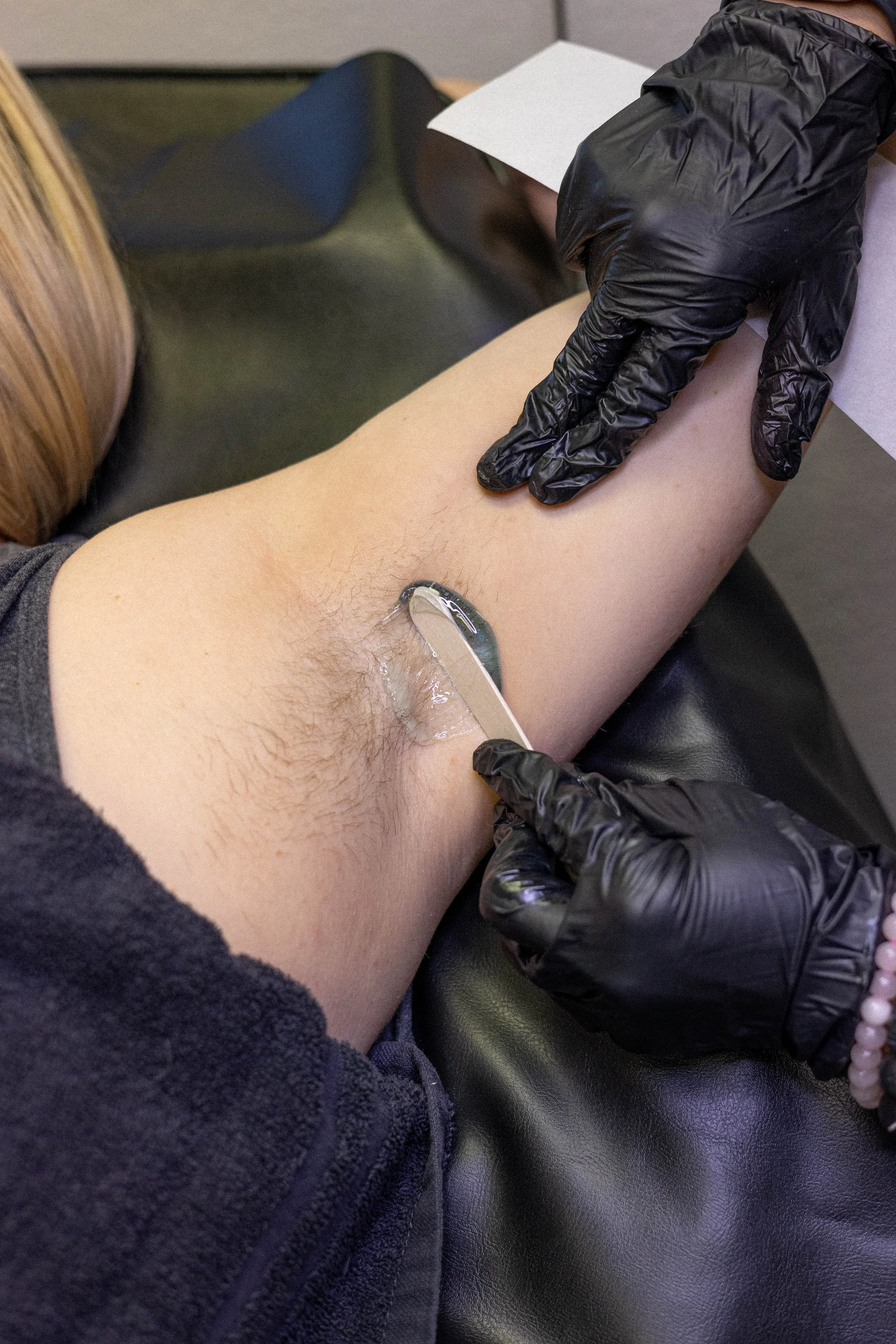
Body waxing pulls hair straight from the root with soft or hard wax, giving you that smooth-skin finish shaving can’t touch. Some people treat it like a seasonal ritual, before summer pool days, weddings, or that big vacation, while others swear by their monthly sessions to keep regrowth easier to manage. The draw is simple: less hassle, less stubble, and skin that feels good longer than shaving or even sugaring. If you’ve ever wondered what to do for your skin in between waxing or what to know for first-timers, we have you covered.
The In-Between Phase
•
The In-Between Phase •
The In-Between Wax Phase: What’s Normal, What’s Not
-
It’s tempting, especially if you’ve got a wedding, date night, or pool day on the calendar. But shaving resets the growth cycle and can make your next wax feel less smooth or more uncomfortable. Trimming or waiting it out keeps your results more consistent in the long run. (See our waxing aftercare guide for more on timing between sessions.)
-
Yes, and it doesn’t mean your wax failed. Hair grows in stages, so some follicles will pop up sooner than others, especially after your first couple of waxes. With regular sessions, the cycles sync up and patchiness becomes less noticeable.
-
Sweat and heat can irritate freshly waxed skin, so skipping intense workouts or steam rooms for at least 24–48 hours is smart. Once the skin has calmed down, exercise and saunas are fine again, just remember to keep skin clean and avoid anything that feels too abrasive.

Boundaries
•
Boundaries •
Waxing Boundaries: What We Don’t Do and Why It Matters
-
No. Waxing on compromised skin can spread bacteria, increase irritation, or even leave behind scarring. The right move is to let the skin heal fully before rebooking, so you don’t make things worse. If you’re not sure what’s normal after a wax, we can help you there too.
-
Absolutely not. Accutane makes skin thin and fragile, which means waxing can lead to tearing, bruising, or permanent damage. This is one of the most important medical contraindications we enforce because client safety is non-negotiable.
-
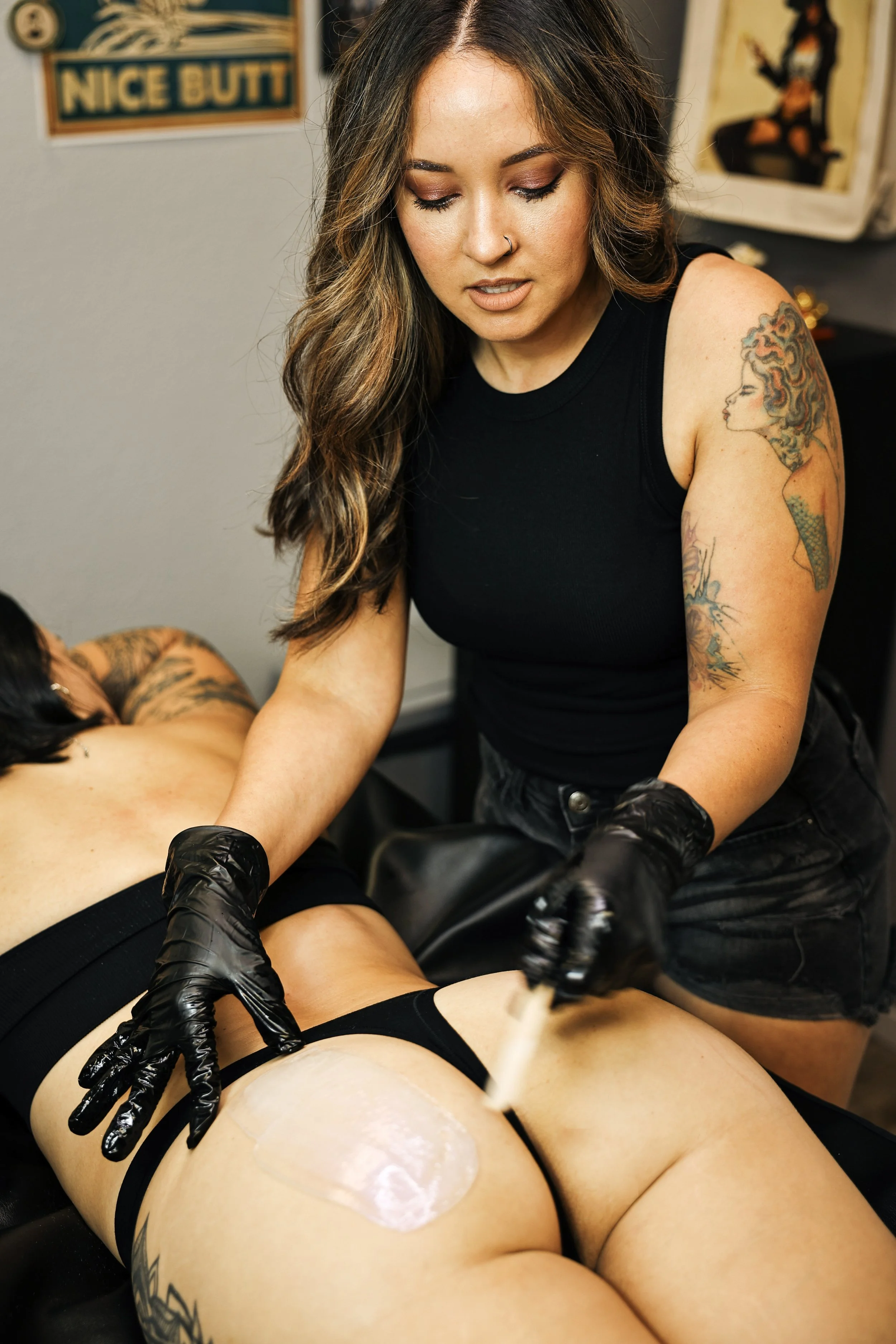
The wax room is a private, professional space designed for focus and comfort. Extra people often disrupt that balance, compromise confidentiality, and make it harder to maintain hygiene standards. For those reasons, we keep it simple, one client per room.
Skin Reactions
•
Skin Reactions •
What’s Actually Normal After Waxing: Reactions You Don’t Need to Stress About
-
A few tiny spots of bleeding can happen, especially during your first couple of waxes or if the hair is thick and rooted deep. It’s just your follicles reacting to the sudden removal and usually clears within the first day. Applying gentle aftercare helps, and it’s not a sign that anything went wrong.
-
Mild bumps or itchiness in the first 24–48 hours are one of the most common reactions. It’s your skin adjusting after the follicles were opened, and the sensation usually eases quickly. For the best outcome, knowing how to prep before you wax can help reduce irritation ahead of time.
-
Redness that lingers for a few hours after waxing is completely normal, especially if your skin is fair or sensitive. It’s part of the body’s natural healing response and not automatically a bad reaction. If irritation lasts more than a day or two, that’s the time to check in, but most clients see it fade well before then.
Waxing Prep
•
Waxing Prep •
Before You Wax: What Really Matters in Prep
-
If you shaved yesterday, your skin and hair aren’t ready for a wax yet. The hair needs a little time to grow long enough for the wax to grab, which usually means waiting about two to three weeks after shaving. This not only makes the wax more effective but also protects your skin from unnecessary irritation. The American Academy of Dermatology notes that waxing works best when hair is grown out to a visible length, which helps minimize missed patches.
-
You don’t need to trim at all before your appointment, and most waxers actually prefer you leave it as-is. Over-trimming can make it difficult for the wax to hold the hair, which means more passes on the same area. If it truly needs a little trimming, your esthetician can handle that in the studio without any problem.
-
The ideal length is about a quarter of an inch, which is close to the size of a grain of rice. Any shorter and the wax may not latch on, any longer and the process could feel unnecessarily uncomfortable. Waiting that extra bit of time, especially before your first appointment, ensures better results and fewer missed hairs, and you can read more about it in our first timer expectations guide.